
| Local Aboriginal communities in the Northern Tablelands are this year lending a hand to release more than 450 tiny Bell’s turtle (Myuchelys bellii) hatchlings into Northern Tablelands waterways, marking another critical step in the fight to save one of Australia’s endangered freshwater turtles from extinction. |
| This work is funded by the Australian Government Natural Heritage Trust and delivered by Northern Tablelands Local Land Services, a member of the Commonwealth Regional Delivery Partners panel. Northern Tablelands Local Land Services, in partnership with the University of New England, have been incubating Bell’s turtle eggs each year since 2016. This year some hatchlings will be released on Indigenous Protected Areas in collaboration with Traditional Custodians and community members. Bell’s turtles are found only in the Northern Tablelands of New South Wales. While adults can live for many decades, their nests are highly vulnerable to fox predation, with entire breeding seasons often lost before hatchlings ever reach the water. This year’s program combines laboratory incubation of eggs, protection of wild nests, and the release of hatchlings back into priority catchments to rebuild population structure from the ground up. “Without intervention, these populations are heading towards extinction,” said Dr Lou Streeting, Postdoctoral Fellow, University of New England. Rangers from several Local Aboriginal Land Councils have installed fox-exclusion fencing to protect nests and have facilitated the boosting of juveniles by getting involved in the hatchling release program. Guyra, Amaroo and Glen Innes Local Aboriginal Land Councils have been involved, in addition to the Boorabee Aboriginal Corporation. “Support and hands-on involvement from landholders, community members and Indigenous rangers have been very important to the success of this long-term conservation project,” said Anya Salmon, Senior Land Services Officer, Northern Tablelands Local Land Services. “To see some of the hatchlings released back into the care of the Aboriginal land managers is incredibly special,” Anya said. This year’s hatchlings will be released into rivers in the Severn and Beardy Waters catchments, which are lacking natural recruitment, and the population is aging. “The females we’re finding in these catchments are some of the largest we’ve ever recorded, weighing up to 3.5 kilograms,” said Dr Streeting. “That tells us they’re very old animals. These big, old females are so valuable reproductively because they produce more eggs, larger eggs and, ultimately, fitter hatchlings than younger, smaller turtles. When those adults are gone, the population goes with them. In the Severn–Beardy system, that could happen within a single generation.” Cultural Broker James Sheather from Northern Tablelands Local Land Services said the program demonstrates the power of long-term collaboration. “Projects like these that bring Aboriginal communities together from across the Northern Tablelands to care for Country are so important,” he said. “These turtles have been a part of these rivers for thousands of years. Conservation works best when it’s shared, local and connected to the community.” More information about this initiative is available on the Local Land Services website under both the ‘Strong Culture–Healthy Country’ and ‘Highland Wetlands’ projects at https://www.nsw.gov.au/departments-and-agencies/local-land-services/projects/natural-heritage-trust Media release: Northern Tablelands Local Land Services |
Northern Tablelands Aboriginal Communities Join the Fight to Save Endangered Bell’s Turtles
Sponsored By
Other News
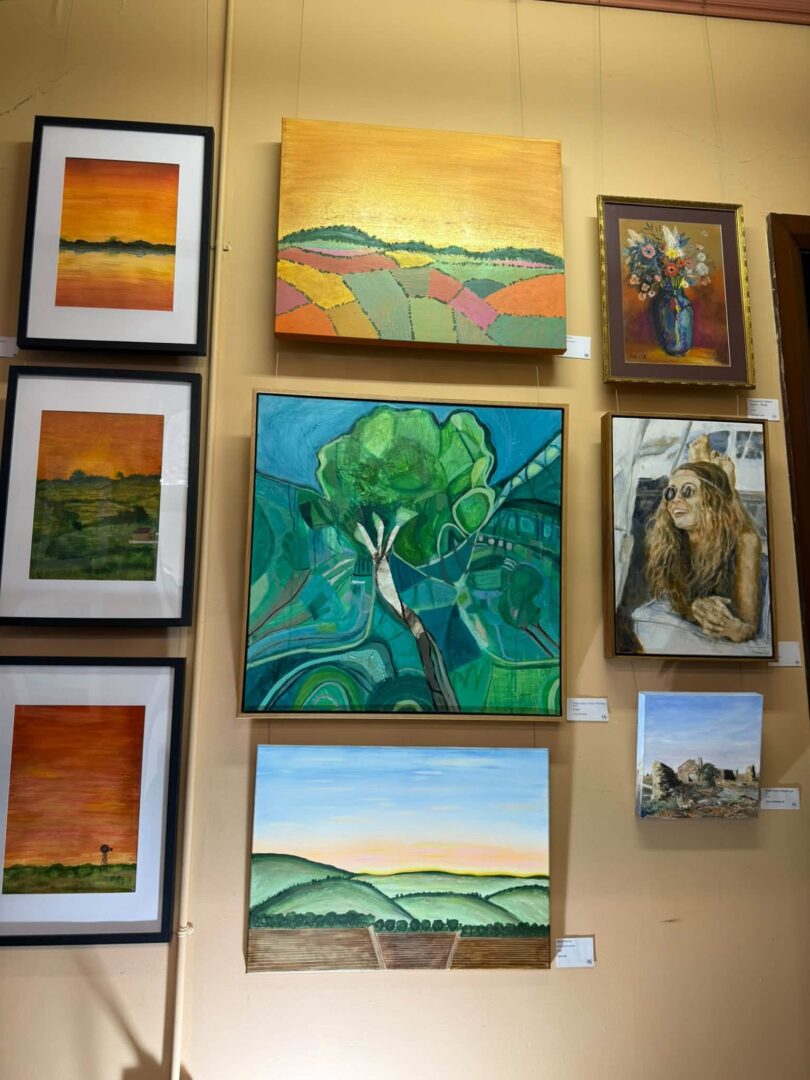

Hundreds Flock into Gallery for Art Prize Opening
The Inverell Art Gallery was absolutely packed to the brim last Saturday night, welcoming one of the biggest…
Further Charges Laid Following Alleged Home Invasion and Assault in Armidale
Further charges have been laid following an alleged home invasion in the state’s New England region earlier this…
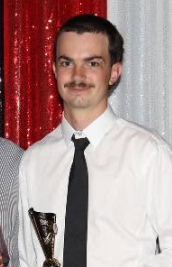
Saints Award Their 2026 Stars
(Above) Saints Men's 2026 Dick Gleeson Medalist Inverell Saints have concluded their 2026 season by awarding their best…

Community Investment Doubles as Squadron Energy Shares Benefits of the Energy Transition
Regional communities across New South Wales, Queensland and Victoria shared in a record year of community investment by…
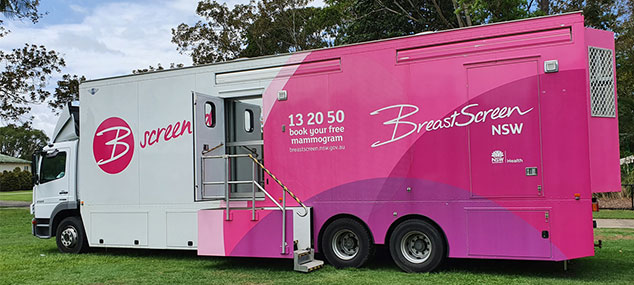
Almost 40% of Hunter New England Women Overdue for Breast Screening
This Breast Cancer Awareness Month, eligible women in Hunter New England Local Health District are being urged to…